

London’s affordable housing debate has moved from the council chamber to the High Court.
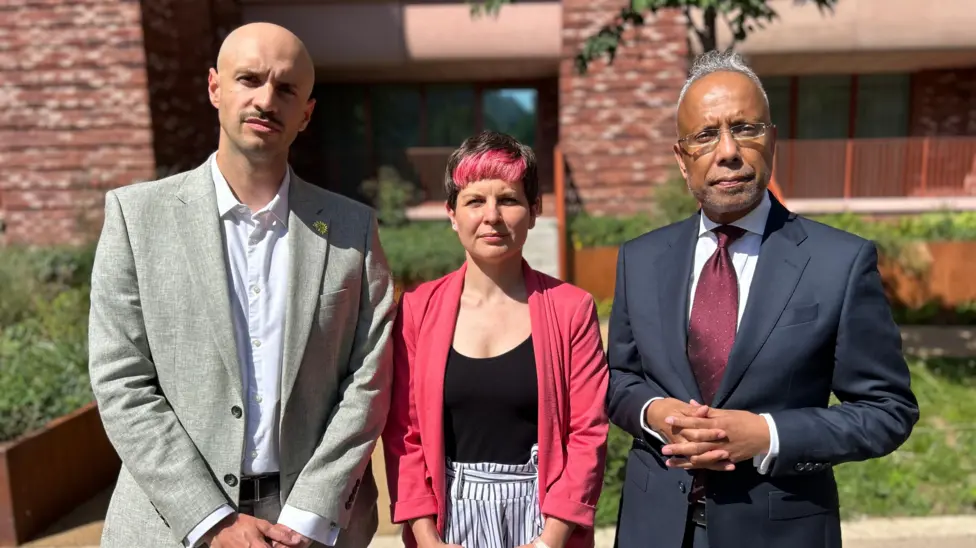
Hackney, Lewisham and Tower Hamlets have filed a judicial review claim against the Mayor of London over plans to reduce the affordable housing requirement in planning applications from 35% to 20%. Four further boroughs — Lambeth, Southwark, Waltham Forest and Haringey — are formally backing the claim.
The legal argument is procedural as much as political. The councils say Khan has attempted to cut the quota without using the proper statutory process for amending the London Plan, and without conducting a fair consultation before the change. There was no evidence, they say, to justify a blanket reduction applied across all London boroughs.
The political context matters. Hackney and Lewisham are now Green-led following the May elections. Tower Hamlets remains under Aspire. Waltham Forest and Haringey have Green minority administrations. Green Party leader Zack Polanski has confirmed that every Green-led council in London is backing the challenge.
The Mayor has defended the change on viability grounds. The reduction to 20% unlocks fast-track planning approval and temporary relief from the Community Infrastructure Levy for schemes starting before 2030. Some developers and architects have said the flexibility is welcome given the current environment.
The High Court will first decide whether the case is arguable and can proceed to a full hearing. The outcome will shape how development viability is treated across the capital for years.
For developers, investors and landowners operating in London, the implications are significant. What the affordable housing requirement looks like — and whether it varies by borough — will affect scheme economics, planning strategy and timelines. We are watching this closely.
Want to understand what this means for your project? Get in touch at tomorrow@lowickhedry.com.