

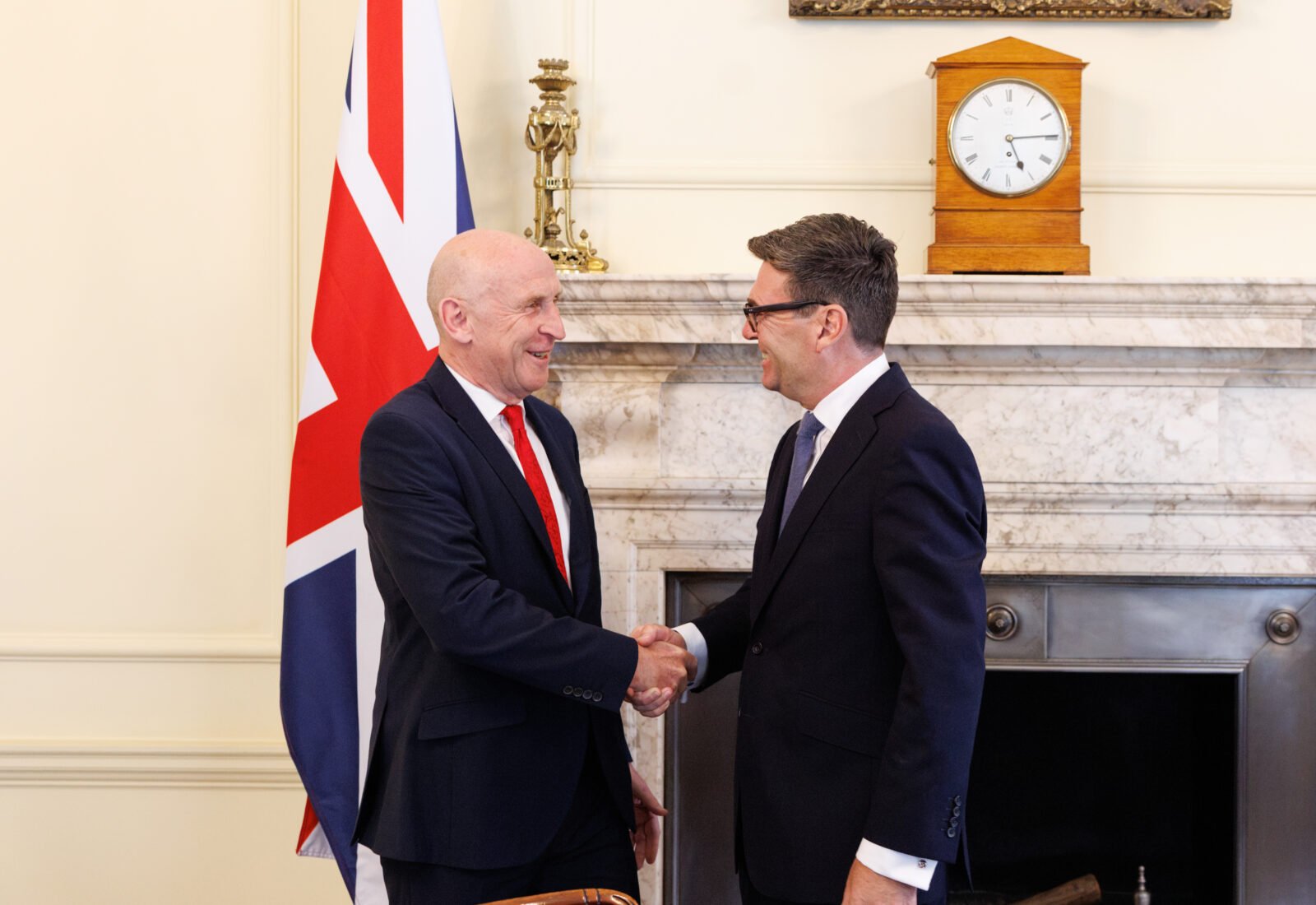
John Healey’s first big growth speech as chancellor contained one sentence that will outlast the rest of it. The rest was competent. The sentence was a confession.
“I recognise that the cost of business, that’s energy bills, regulation burdens, planning constraints, labour costs, have grown since Covid. And I want to draw the line.”
Jimmy McLoughlin, who advised Theresa May on business in Downing Street and has been banging on about this ever since, spotted it straight away. His point is the right one. For most firms in this country, growth is not a strategy document. It is a single, quite ordinary decision: can I afford to hire one more person, and am I confident enough about the next twelve months to do it?
As an employer of 20+ people I understand those pressures acutely, and the reasons are the ones the chancellor just listed. Employer national insurance went up. The minimum wage went up. The Employment Rights Act added a layer of process to every hire. Each was defensible on its own terms. Together they turned a yes into a wait-and-see for a very large number of small employers, and the private sector still employs seven in every eight people in this country.
So a Labour chancellor standing up and saying he wants to draw the line under that is a bigger political moment than the coverage allowed. Andrew Griffith called it “continuity Rachel Reeves”. It wasn’t. Reeves never said that sentence. Healey did, in Andy Burnham’s government, three weeks before Labour’s conference in Liverpool, with every union general secretary listening. I think that was deliberate, and I think No. 10 North knew exactly what it was signing off.
Recognition is not relief, though. Read the speech again and ask what actually changes the hiring decision. A 25% cut in the regulatory burden by the end of the parliament is a target, not a policy, and Whitehall’s record on every version of it since the Red Tape Challenge is poor. Extending judicial review reform from energy to all major infrastructure is welcome, but it speeds up a reservoir, not a shop refit or a 40-home scheme stuck in a committee cycle (anyone who has sat through a Thursday night planning committee will know the “planning constraints” that cost small firms money are not the ones being fixed here). The Green Book discount rate falling from 3.5% to 3% will please Treasury economists and pass most business owners by.
The devolution material is more interesting than it sounds, and this is where I would watch closely. A roadmap to fiscal devolution at the Budget, with business rates retention and a share of local income tax for the mayoral strategic authorities from 2028, is the first time a chancellor has put a date on giving mayors real money of their own. If it survives contact with the Treasury it changes how Manchester, the West Midlands and the North East think about their own high streets. That is a slower route to the small business decision than a tax cut, but it is a real one.
What Healey did not do was tell us how he pays for any of it. His headroom has halved from Reeves’s £23.6bn to around £11.5bn. Gilt yields are not helping. He refused to rule out tax rises on the grounds that answering speculation “only fuels more speculation”, which is the answer chancellors give when the answer is yes. The British Chambers of Commerce say business overheads are up 70% in a decade and that another round of increases puts the country “on the road to ruin”. The CBI wants “decisive action” on 28 October. Both are code for the same thing: do not draw the line in September and then step over it in the Budget.
Jaguar Land Rover chose the same day to announce 4,000 job losses. That was bad luck rather than bad judgement, but it made the point for him. “Good growth in every postcode. Hope in every heart. Not a slogan, but a test.” Fine. The test is simple and it is not his. It is whether a firm of ten becomes a firm of eleven this winter.
He has named the problem, which his predecessor did not. Seven weeks to show he meant it.