

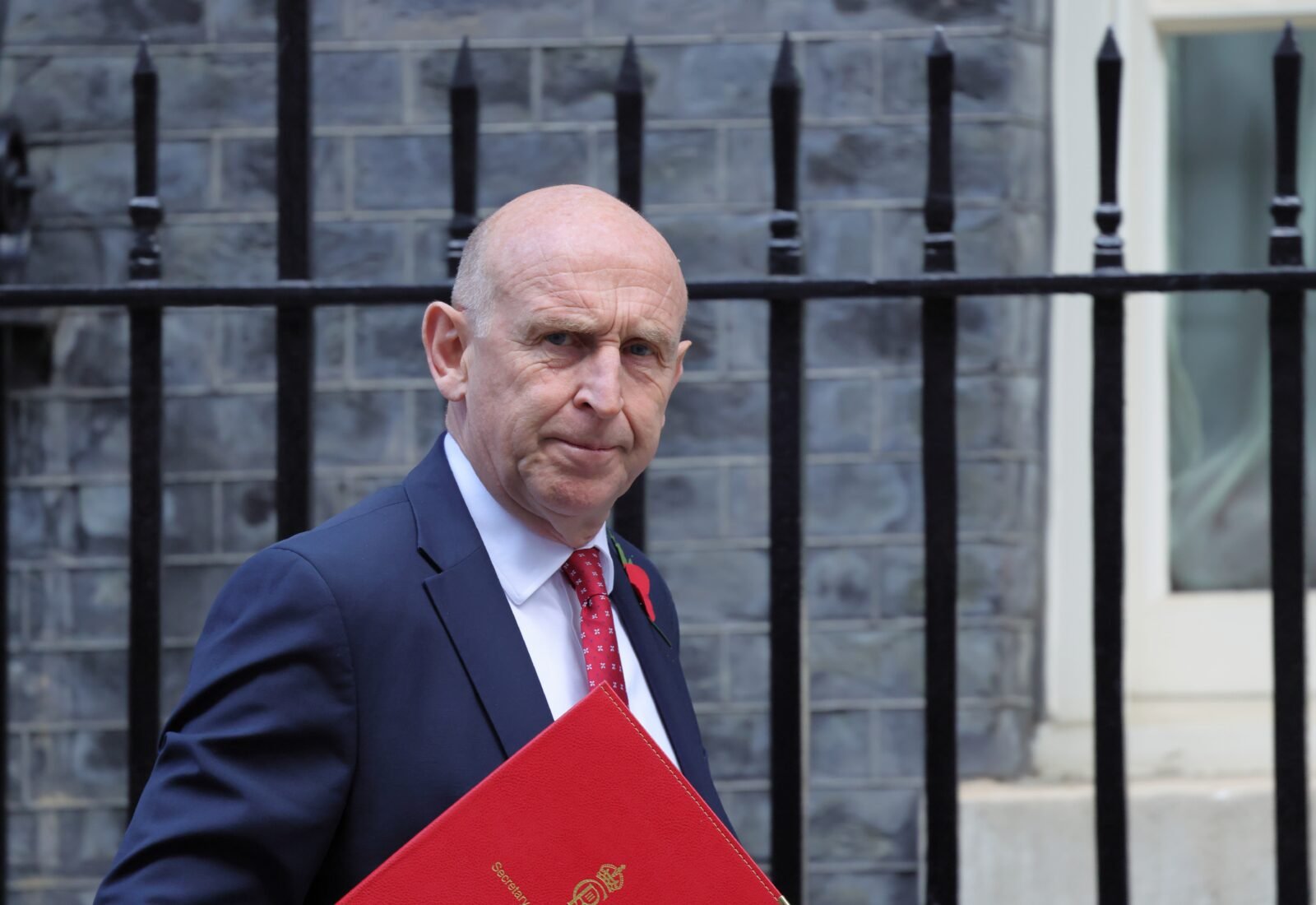
Westminster spent the weekend convinced Andy Burnham will call a general election the day after John Healey’s first Budget. He won’t. The real questions are what Wednesday delivers, what the 10-Year Plan says next month, and whether the polls hold until spring.
Reform and CCHQ both seem to be preparing for a general election announcement on Thursday, the day after the Budget. Reform’s conviction is noticeably higher. Everyone is driving themselves mad.
The Thursday theory doesn’t survive contact with the parliamentary timetable. A Budget isn’t law until the Finance Bill passes. Call an election the day after the Chancellor sits down and Parliament dissolves with his Budget half-built, leaving ministers to trade chunks of it away with the opposition in the wash-up. No Chancellor spends months on his first Budget to watch it gutted in a week.
Burnham told ITV Calendar last month that the next election is in 2029 and he could “knock that dead”. What hasn’t gone away is spring. Number 10 sources told the i Paper this month that next spring could be a “sweet spot”, depending on how the Budget lands and whether the Burnham bounce lasts into the new year. The Telegraph reports ministers hurrying the Representation of the People Bill, votes at 16 and all, with early-election advocates wanting it passed first.
Watch Number 11
Healey has headroom of around £15bn, and most of the Budget has already flown as kites. The Sunday Times has billions in new defence investment routed through the National Wealth Fund and the British Business Bank, paid for by long-term borrowing rather than cuts. The timetable to 3% of GDP waits for next year’s spending review, and shadow chancellor Andrew Griffith is already demanding Healey fully fund it or resign.
Expect a higher tax on banks, online marketplaces collecting VAT at source worth up to £1bn, the small business rates threshold rising from £12,000 to £18,000, more help with energy bills, a £1.5bn borrowing facility for councils and £1bn for social housing. Capital gains parity with income tax is off the table, and the Chancellor has been shutting down talk of dropping the mansion tax threshold to £1.5m. None of it is confirmed until Wednesday.
The pivot to the 10-Year Plan
In Liverpool, Burnham promised that “later this year” he would publish his plan for Britain over ten years. That comes next month. The Budget is the down payment. The 10-Year Plan is the pitch. It is also the strongest argument against Thursday. You don’t dissolve Parliament weeks before launching the plan your premiership is built around. You campaign on it.
Much of that plan will be delivered a long way from Whitehall. Mayors keep more of their business rates from next spring and a share of income tax from 2028. Number 10 North is up and running. More of the decisions on investment, housing, transport and regeneration are being taken in the North West, which is why Lowick Hedry has opened in Manchester, led by Partner Liam Didsbury, Labour’s former North West Regional Director.
What the polls say
Our Sunday Polling Update has Ipsos putting Labour on 32%, the Conservatives 24%, Reform 20%, the Lib Dems 9% and the Greens 8%. An eight-point lead, the widest Ipsos has recorded for Labour this Parliament. Opinium has the same margin, with Reform ahead of the Conservatives 22 to 20. Find Out Now has Labour five ahead, YouGov four. Three of the four put the Conservatives back in second. Labour’s leak to the Greens has more than halved in a month.
That explains the mood on the right. A party on 20% and slipping has every reason to want an election sooner rather than later. Burnham has the opposite incentive: let the Budget bed in, launch the plan, see if the bounce holds. Satisfaction with him sits at 35%, dissatisfaction at 45%. Popular he isn’t. Ahead he is.
Our view
Wednesday is Healey’s first Budget and, near enough, Burnham’s hundredth day. If it lands, spring stays in play. If it doesn’t, nobody will be talking about an election at all. Either way, the people driving themselves mad this week would do better to wait for the Red Book.
For clients, the practical point is the same whichever way the election chatter breaks. The Budget sets the money, the 10-Year Plan sets the direction, and more of the delivery sits with mayors and city regions. Organisations that engage early, in Westminster and on the ground, will shape what follows.
If you’d like to understand what this means for your business, organisation or cause, get in touch with Kevin McKeever, or with Liam Didsbury on the North West.
Join us on Wednesday 28 October for Budget Night at Lowick Hedry, The Stables, 50 York Way, King’s Cross, with Stefan Boscia of The Times and Scarlett Maguire of Merlin Strategy. Register here.
Get the Lowdown in your inbox every week. Subscribe here.
Our view