

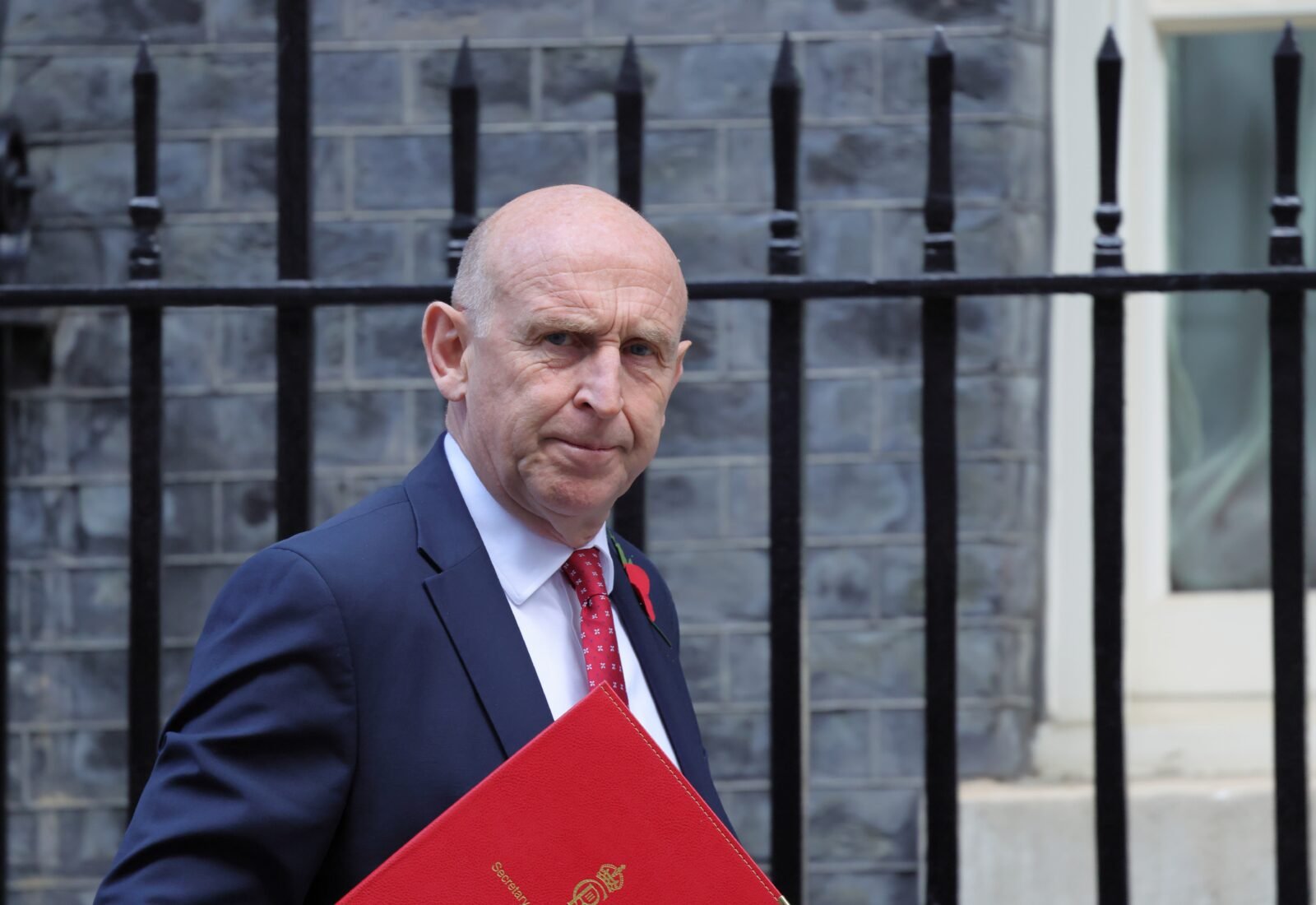
The Chancellor bought calm today. What he did with it will be decided at the Spending Review, and by the mayors.
John Healey’s first Budget was a credibility Budget. It met the fiscal rules, kept the markets quiet and avoided the broad-based tax rises many had feared. It also left almost every hard decision for another day.
That isn’t a criticism so much as a description. With gilts above 5%, gas prices nearly tripled since the Iran war began and the OBR cutting next year’s growth forecast to 1%, a Chancellor in his first month had limited room. Healey chose to spend his on stability. In this market, I think that was the right call. The question is what comes next.
What he did
The OBR confirms £15bn of headroom against the stability rule in 2029-30, down from £23.6bn in March, rising to £22bn the following year. Borrowing falls from 4.2% of GDP this year to 1.8% by the end of the forecast. The headline rates of income tax, NICs, VAT and corporation tax are untouched, and CGT rates are left alone.
The money comes from a narrower base. The bank surcharge rises from 3% to 6% for 15 months, smaller than the 8% that had been trailed. Online marketplaces will have to collect VAT, gambling duties go up, and tax on savings and property income rises by a further two points from April 2027. Business Asset Disposal Relief is halved to £500,000.
It pays for a long list of relief. The 5p fuel duty cut runs to June 2027. Gas standing charges go. Twenty million households get £100 off energy bills this winter. Around 70,000 more small shops, cafés and pubs come out of business rates entirely, and half of all retail, hospitality and leisure properties will now pay nothing. Late-payment reform, with a 60-day cap on terms and mandatory interest, is the strongest in a generation and will matter more to small suppliers than most of the headline measures.
For founders there is a new 10% Founders’ Relief on up to £10m of lifetime gains, a £5bn uplift for the British Business Bank and a doubling of the EMI2 option limit.
What he deferred
The bigger story is what isn’t here.
The IFS said before the Budget that the Chancellor faced around £35bn of spending pressures by 2030-31, and that a steady-as-she-goes Budget wasn’t an option. Healey has answered by moving the choices to next year’s Spending Review, which he says will deliver a fundamental rewiring of the state. Welfare reviews on youth unemployment and disability report by the end of the year.
Defence is the most awkward case. The Defence Investment Plan is fully funded, taking spending to 2.7% of GDP by 2029-30. The 3% commitment now has a target date of 2030 and a promise of innovative financing, but no costed path. For a Chancellor who resigned as Defence Secretary over exactly this issue, that line will follow him.
Then there is the timing. Much of today’s relief expires in the summer of 2027: the fuel duty cut, the energy VAT relief, the bank levy, the haulier road-tax holiday. With inflation forecast at 3.5% next year, the Government will face the same choice again in twelve months, closer to an election and with less headroom.
The part that matters most
The least covered measure is the one with the longest reach.
From 2028, mayors will keep a share of income tax growth in their areas and 20% of business rates revenue, alongside devolved innovation funding and £1bn for priority innovation clusters. Healey called it the most radical devolution in a generation. On paper, he’s right.
This is Andy Burnham’s fingerprint on the Budget. The fiscal stance is Treasury caution. The chapter on place and power is pure Burnham, and it’s the clearest signal yet of how this Government intends to govern. Green Book reform to put place at the heart of investment decisions points the same way.
There are caveats. It starts in 2028. It depends on a Spending Review that hasn’t happened. And business will want to see it survive more than one political cycle before it plans around it. But the direction is clear, and businesses that treat their regional relationships as a courtesy rather than a strategy will be behind.
What it means for business
Three practical points for anyone running public affairs.
The Spending Review is now the main event. Departmental settlements are genuinely open. If you have an ask, the work starts now, not next spring.
The mayors just got more important. Retained business rates and income tax growth give them their own money to spend. That changes the conversation about infrastructure, regeneration and planning in Greater Manchester, the West Midlands and beyond.
The state wants to be a customer. The Innovation Marketplace, the £150m Advance Market Commitment for AI chips and the expanded Sovereign AI procurement scheme are real routes in for companies selling to government.
For our planning and development clients, two smaller measures are worth flagging. No new major building regulations will be introduced except on safety grounds, and the new Data Centre Covenant ties priority grid access to five public-interest tests, including investment in local communities. That’s an engagement test as much as an energy one.
The verdict
Healey has earned the right to make the next set of decisions. He hasn’t made them yet.
Today was about getting through a difficult moment without making it worse, and on that measure the Budget worked. The test of the Burnham Government will come at the Spending Review and in the Ten Year Plan. That is where the money will move.
Kevin McKeever is founder and CEO of Lowick Hedry.
Our view